
Health, safety and environment
Everyonegoes home
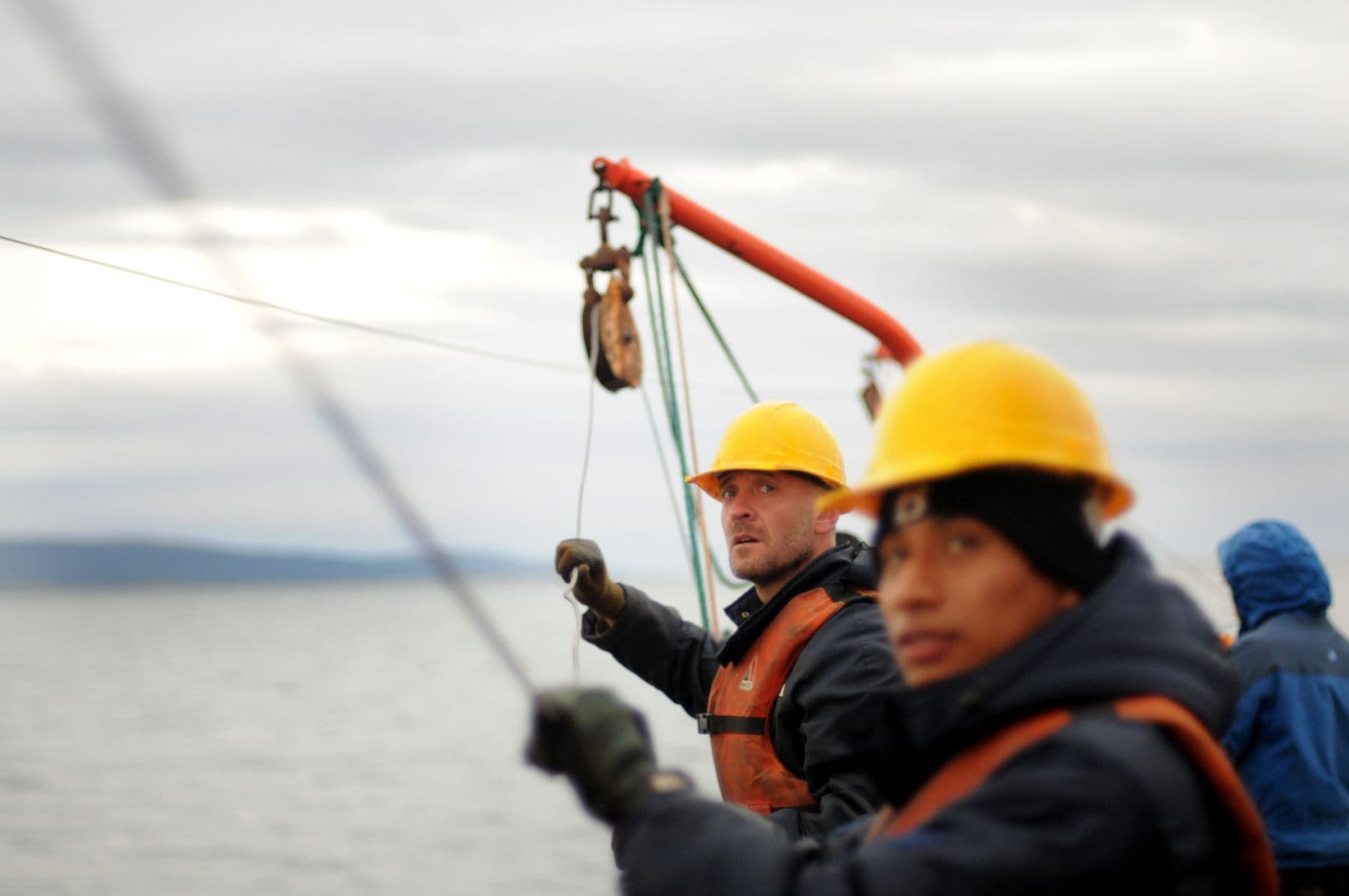
Offshore and shutdown work carries real consequences. The way we plan, supervise and report is built around that rather than around a policy document.
What has to be truebefore a job starts
Written before it is worked
Every scope gets a job-specific risk assessment and method statement. Neither is copied from the last job with the title changed.
Competence on paper
Crew are assigned against the tickets the work needs. Records travel with the team and are available to the operator on request.
Permit discipline
We work to the operator's permit system and hold our subcontractors to the same standard, including isolation and gas testing.
Cover matched to the site
Medical provision, muster arrangements and evacuation routes are confirmed for each location before mobilisation, not assumed.
And whileit runs
- Toolbox talk before each shift, covering the day's task and what changed since yesterday.
- Stop-work authority held by every person on the crew, with no requirement to justify it first.
- Daily report to the operator's representative covering progress, deviations and any near miss.
- Close-out review at demobilisation, with findings carried into the next mobilisation.
The environment side
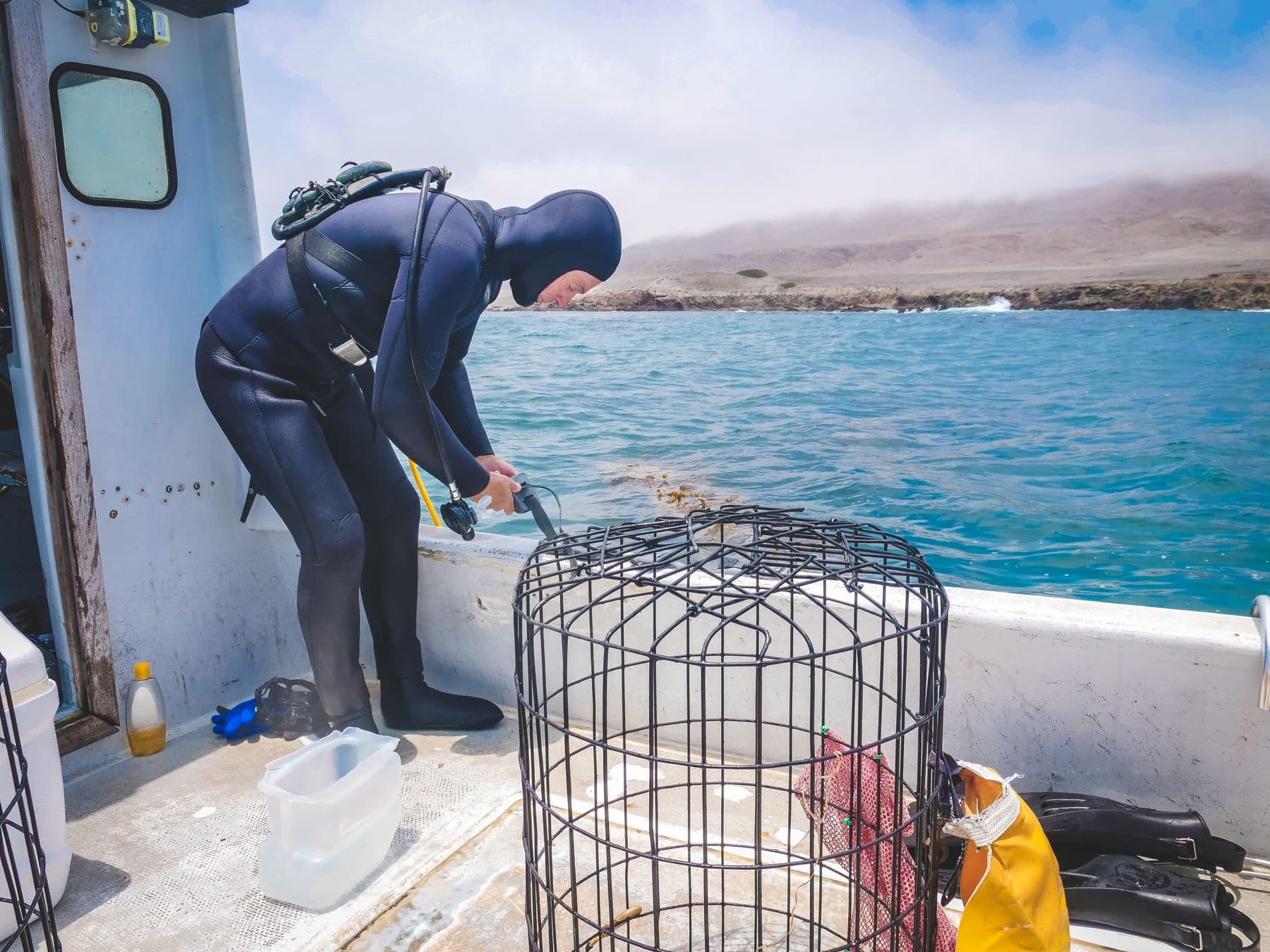
Most of our work happens on or beside water, which narrows the margin for getting this wrong.
Discharge control
Blasting, coating and cleaning work is contained. Nothing goes over the side that has not been agreed and recorded.
Waste routing
Scrap steel, spent abrasive, used coating and oily waste leave site through licensed routes with the paperwork to match.
Documentation on request
Policies, procedures, competence records and insurance certificates are shared with operators as part of prequalification. Ask and we will send the current set.